
Green Tea Extract
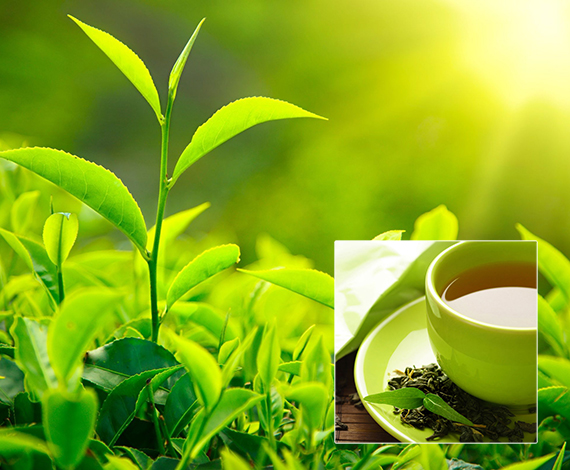
Product Name - Green Tea Extract
Botanical Name - Camelia sinensis
Plant Part used - Leaf
Specification (Marker compound) -Polyphenols upto 90% w/w EGCG upto 40%
Description - Green tea is one of the most popular herbal supplements in the world. It has been used for thousands of years, especially by Asian cultures, for its many health benefits. These benefits include immune support and breast, prostate, and heart health. Green tea is also commonly used in diet pills because of its ability to raise the metabolism and burn fat. Green tea leaf is rich in catechin polyphenols including EGCG, a powerful antioxidant.
The chemical composition of green tea varies with climate, season, horticultural practices and age of the leaf (position of the leaf on the harvested shoot). The major components of interest are the polyphenols. The major polyphenols in green tea are flavonoids (e.g., catechin, epicatechin, epicatechin gallate, epigallocatechin gallate (EGCG) and proanthocyanidins). Epigallocatechin gallate is viewed as the most significant active component. The leaf bud and first leaves are richest in epigallocatechin gallate.
Other compounds of interest in dried green tea leaves include caffeine, an amino acid known as theanine, lignan, organic acids, protein and chlorophyll.
Therapeutic Applications:
Botanical Name - Camelia sinensis
Plant Part used - Leaf
Specification (Marker compound) -Polyphenols upto 90% w/w EGCG upto 40%
Description - Green tea is one of the most popular herbal supplements in the world. It has been used for thousands of years, especially by Asian cultures, for its many health benefits. These benefits include immune support and breast, prostate, and heart health. Green tea is also commonly used in diet pills because of its ability to raise the metabolism and burn fat. Green tea leaf is rich in catechin polyphenols including EGCG, a powerful antioxidant.
The chemical composition of green tea varies with climate, season, horticultural practices and age of the leaf (position of the leaf on the harvested shoot). The major components of interest are the polyphenols. The major polyphenols in green tea are flavonoids (e.g., catechin, epicatechin, epicatechin gallate, epigallocatechin gallate (EGCG) and proanthocyanidins). Epigallocatechin gallate is viewed as the most significant active component. The leaf bud and first leaves are richest in epigallocatechin gallate.
Other compounds of interest in dried green tea leaves include caffeine, an amino acid known as theanine, lignan, organic acids, protein and chlorophyll.
Therapeutic Applications:
- Anti-Oxidant
- Anti-Carcinogen
- Anti-Inflammatory
- Anti-Radiation
- Oral hygiene maintenance
Standardized Herbal Extracts - Nutracuetical
Contact Us
Srivari Natural Herbs (P) Ltd.
#999/07, 5th A Cross,
HRBR Layout, 1st Block,
Kalyanagar,
Bengaluru-560043
 +(91)-7829446065 / +(91)-9738519522
www.svnh.in Email : info@svnh.in
Disclaimer : These statements have not been evaluated by the Food and Drug Administration. These products are not intended to diagnose, treat, cure, or prevent any disease.


